
Learn everything about vehicle loans and credit card loans in the USA, including interest rates, eligibility, fees, repayment options, credit score requirements, and smart borrowing strategies to save money.
Introduction
Buying a vehicle or managing unexpected expenses often requires financing. Two of the most common borrowing options in the United States are vehicle loans and credit card loans. Although both allow consumers to access funds, they serve different financial purposes and come with unique interest rates, repayment terms, fees, and qualification requirements.
Whether you are purchasing a new car, financing a used vehicle, covering emergency expenses, or planning a large purchase, choosing the right borrowing option can save you thousands of dollars over the life of the loan. Understanding how lenders evaluate borrowers, calculate interest, and structure repayment schedules is essential before signing any agreement.
This comprehensive guide explains everything you need to know about vehicle loans and credit card loans in the United States. You’ll learn about eligibility, current interest rates, common fees, lender comparisons, repayment strategies, refinancing opportunities, and practical tips that help borrowers make financially responsible decisions.
1. What Is a Vehicle Loan?
A vehicle loan is a secured loan used to purchase a new or used automobile, motorcycle, SUV, truck, or other eligible vehicle. The lender provides the funds directly to the dealership or seller, while the borrower repays the loan in monthly installments over a predetermined period.
Because the vehicle serves as collateral, lenders typically offer lower interest rates compared to unsecured borrowing options. If payments are not made according to the agreement, the lender may repossess the vehicle to recover the outstanding balance.
2. What Is a Credit Card Loan?
A credit card loan generally refers to borrowing money through a credit card, including cash advances, installment plans offered by card issuers, or using available credit for purchases. Unlike vehicle loans, credit card borrowing is usually unsecured, meaning no asset is pledged as collateral.
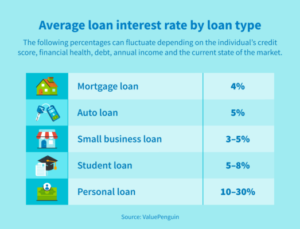
Due to the increased risk for lenders, credit card loans generally carry significantly higher Annual Percentage Rates (APR). They are best suited for short-term financing rather than long-term borrowing.
3. Why Americans Use Vehicle Loans
Millions of Americans finance their vehicles because purchasing a car outright can require a substantial upfront investment. Vehicle financing makes transportation more affordable by spreading payments over several years while allowing buyers to preserve cash for emergencies, investments, or household expenses.
Vehicle loans are commonly used for:
- New car purchases
- Used vehicle financing
- SUVs and pickup trucks
- Electric vehicles (EVs)
- Motorcycles
- Recreational vehicles (RVs)
4. Why Credit Card Loans Are Popular
Credit card loans remain popular because they provide immediate access to funds without requiring lengthy approval processes. Many consumers use them for emergency medical bills, travel expenses, home repairs, education costs, or temporary cash-flow shortages.
Some credit cards also offer promotional 0% APR periods, cashback rewards, travel benefits, and purchase protection, making them useful when managed responsibly.
5. Current Vehicle Loan Interest Rates in the USA
Vehicle loan interest rates vary based on credit score, loan amount, lender, vehicle age, and loan term. Borrowers with excellent credit generally qualify for the lowest available rates, while applicants with lower credit scores often pay considerably higher interest.
Typical factors influencing vehicle loan rates include:
- Credit score
- Down payment
- Loan duration
- Vehicle condition
- Income stability
- Debt-to-income ratio
6. Current Credit Card Loan Interest Rates
Credit card interest rates are generally much higher than vehicle loan rates because the borrowing is unsecured. The exact APR depends on the card issuer, applicant’s credit profile, and current market conditions.
Borrowers who only make minimum monthly payments may spend years repaying their balances while paying substantial interest charges.
7. Eligibility Requirements for a Vehicle Loan in the USA
Lenders evaluate several financial factors before approving a vehicle loan. While every bank, credit union, or online lender has its own underwriting standards, most require applicants to demonstrate stable income, responsible financial behavior, and the ability to repay the loan. Borrowers with stronger financial profiles often qualify for lower interest rates and more flexible repayment terms.
Typical eligibility requirements include:
- Be at least 18 years old
- Valid government-issued identification
- Social Security Number (SSN) or Individual Taxpayer Identification Number (ITIN) with eligible lenders
- Stable employment or consistent income
- Acceptable debt-to-income (DTI) ratio
- Good to excellent credit score (preferred)
- Valid driver’s license
- Proof of residence
Meeting these requirements significantly improves approval chances while helping borrowers secure competitive financing terms.
8. Eligibility Requirements for Credit Card Loans
Credit card issuers assess an applicant’s financial history differently than vehicle lenders because credit card borrowing is usually unsecured. Since there is no collateral, issuers place greater emphasis on repayment history, existing debts, and overall creditworthiness.
Factors considered include:
- Credit score
- Payment history
- Annual income
- Existing credit utilization
- Employment stability
- Outstanding debt
- Previous bankruptcies
Applicants with higher credit scores generally receive higher credit limits, lower interest rates, and premium card benefits such as cashback, travel rewards, or introductory 0% APR offers.
9. Understanding Credit Scores Before Applying
Your credit score plays one of the most important roles when applying for any type of financing in the United States. A strong credit profile demonstrates responsible borrowing behavior and reduces the lender’s risk, often resulting in lower interest rates and better loan terms.
In general:
- Excellent Credit: 750+
- Very Good Credit: 700–749
- Good Credit: 670–699
- Fair Credit: 580–669
- Poor Credit: Below 580
Borrowers with excellent credit may save thousands of dollars over the life of a loan compared to applicants with lower scores. Before applying, it’s wise to review your credit report, correct any inaccuracies, and reduce outstanding balances if possible.

10. Documents Required for Vehicle Loan Approval
Preparing the necessary documents in advance can help speed up the approval process and reduce delays. While documentation requirements vary by lender, most institutions request proof of identity, income, and residence.
Common documents include:
- Government-issued photo ID
- Driver’s license
- Social Security Number
- Recent pay stubs
- W-2 forms or tax returns
- Bank statements
- Utility bill or lease agreement
- Vehicle purchase agreement
- Insurance information
Self-employed borrowers may also need to provide additional tax documentation or business financial records.
11. Documents Needed for Credit Card Applications
Applying for a credit card generally requires fewer documents than obtaining a vehicle loan. Most major issuers process applications online within minutes, although income verification may be requested in certain situations.
Applicants typically provide:
- Full legal name
- Date of birth
- Residential address
- Annual income
- Employment details
- Social Security Number
- Housing expenses
- Contact information
Providing accurate financial information improves approval chances and helps issuers determine an appropriate credit limit.
12. Common Fees Associated with Vehicle Loans
Many borrowers focus only on the interest rate and overlook the additional costs associated with financing a vehicle. Understanding these charges before signing a loan agreement helps prevent unexpected expenses.
Common vehicle loan fees include:
- Loan origination fees
- Documentation fees
- Title and registration fees
- Late payment penalties
- Returned payment charges
- State taxes
- Dealer processing fees
- Extended warranty costs (optional)
- GAP insurance (optional)
- Vehicle inspection fees
Always request a complete breakdown of all charges before finalizing the financing agreement.
13. Common Credit Card Fees You Should Know
Credit cards can provide convenience and financial flexibility, but they often include fees that increase the overall cost of borrowing. Responsible cardholders should understand these charges before using their available credit.
Common credit card fees include:
- Annual membership fee
- Cash advance fee
- Balance transfer fee
- Foreign transaction fee
- Late payment fee
- Returned payment fee
- Over-limit fee (where applicable)
- Interest on unpaid balances
Reading the card’s terms and conditions carefully helps avoid unnecessary charges and protects your long-term financial health.
14. Vehicle Loan vs. Credit Card Loan: Which Is Better?
Choosing between a vehicle loan and a credit card loan depends entirely on your financial objective. Vehicle loans are specifically designed for automobile purchases and generally offer lower interest rates because the vehicle serves as collateral. Credit card borrowing, on the other hand, provides greater flexibility but often comes with significantly higher borrowing costs.
A vehicle loan is typically the better option for purchasing a car, truck, or SUV, while credit card borrowing may be appropriate for smaller, short-term expenses that can be repaid quickly. Understanding the differences between these financing options allows consumers to make informed decisions that align with their financial goals while minimizing interest expenses.