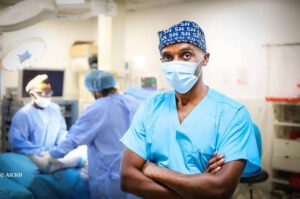
Orthopedic surgeons play a vital role in diagnosing, treating, and preventing conditions affecting the bones, joints, muscles, ligaments, tendons, and spine. Millions of Americans visit orthopedic specialists every year for injuries, arthritis, sports-related conditions, fractures, chronic pain, and joint replacement surgeries. Whether the issue is caused by aging, an accident, or an active lifestyle, orthopedic surgeons help restore mobility, reduce pain, and improve overall quality of life through both surgical and non-surgical treatment options.
An orthopedic surgeon is a physician who specializes in the musculoskeletal system. After completing medical school, these specialists undergo years of advanced residency and fellowship training to diagnose and treat complex conditions involving bones, joints, muscles, cartilage, and connective tissues. Many orthopedic surgeons further specialize in areas such as sports medicine, spine surgery, pediatric orthopedics, hand surgery, shoulder surgery, hip replacement, knee replacement, or orthopedic trauma.
People seek orthopedic care for a wide variety of conditions that affect movement and physical function. Persistent joint pain, back pain, fractures, torn ligaments, arthritis, tendon injuries, and sports injuries are among the most common reasons patients schedule appointments with an orthopedic specialist. Early diagnosis and treatment often prevent conditions from worsening while improving recovery outcomes and reducing long-term complications.
Orthopedic surgeons frequently treat conditions such as osteoarthritis, rheumatoid arthritis, osteoporosis, broken bones, ACL tears, rotator cuff injuries, meniscus tears, spinal disorders, scoliosis, tendonitis, bursitis, carpal tunnel syndrome, hip fractures, ankle injuries, and chronic knee pain. Many of these conditions respond well to conservative treatment, while others require advanced surgical procedures to restore normal function.
Not every orthopedic condition requires surgery. In many cases, physicians first recommend non-surgical treatments to relieve pain and improve mobility. Physical therapy, anti-inflammatory medications, corticosteroid injections, regenerative medicine, bracing, activity modification, and guided rehabilitation programs often provide excellent results for patients experiencing mild to moderate musculoskeletal problems. Surgery is generally considered only after conservative treatments fail to provide sufficient relief.
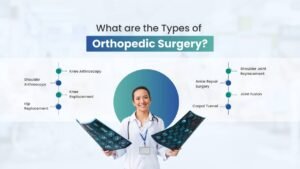
When surgery becomes necessary, orthopedic specialists perform a wide range of procedures depending on the patient’s diagnosis. Some of the most common operations include total knee replacement, total hip replacement, shoulder replacement, spinal fusion, arthroscopic knee surgery, ACL reconstruction, rotator cuff repair, fracture fixation, ligament reconstruction, hand surgery, ankle surgery, and minimally invasive joint procedures. Advances in surgical technology have improved precision while reducing recovery times for many orthopedic operations.
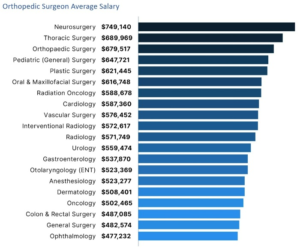
Joint replacement surgery remains one of the most successful procedures performed in modern medicine. Patients suffering from severe arthritis or advanced joint damage often experience significant pain relief and improved mobility following hip or knee replacement surgery. Modern implants are designed to last many years, allowing many individuals to return to normal daily activities with reduced discomfort and improved quality of life.
Sports medicine has become an important subspecialty within orthopedic surgery. Athletes of all ages rely on orthopedic sports medicine specialists to diagnose and treat ligament tears, cartilage injuries, tendon ruptures, stress fractures, shoulder instability, and overuse injuries. These physicians work closely with physical therapists and athletic trainers to develop personalized rehabilitation programs that help patients safely return to sports and physical activity.
One of the most important factors patients consider before surgery is cost. Orthopedic procedures vary widely in price depending on the type of surgery, geographic location, hospital, surgeon experience, anesthesia, imaging studies, rehabilitation, and insurance coverage. Major procedures such as joint replacement or spinal surgery typically involve higher overall costs than minimally invasive arthroscopic procedures. Patients should request detailed cost estimates and understand all potential medical expenses before scheduling surgery.
Health insurance plays a significant role in reducing out-of-pocket costs for orthopedic care in the United States. Many private insurance plans, employer-sponsored health plans, and government healthcare programs provide coverage for medically necessary orthopedic evaluations, diagnostic imaging, surgical procedures, hospital stays, and rehabilitation services. However, deductibles, copayments, coinsurance, prior authorization requirements, and network restrictions vary by insurance provider. Reviewing policy details before treatment helps patients avoid unexpected expenses.
Choosing the right orthopedic surgeon is one of the most important decisions a patient can make. Factors to consider include board certification, years of experience, surgical specialization, hospital affiliations, patient reviews, success rates, communication skills, and willingness to explain treatment options. Patients should not hesitate to ask questions regarding surgical experience, expected recovery timelines, possible risks, complication rates, and rehabilitation plans before making treatment decisions.
Recovery following orthopedic surgery depends on the type of procedure performed, the patient’s overall health, age, and commitment to rehabilitation. Some minimally invasive procedures allow patients to return home the same day, while more complex joint replacements or spinal surgeries may require several days of hospitalization followed by weeks or months of physical therapy. Following post-operative instructions carefully plays a critical role in achieving successful long-term outcomes.
Physical therapy is often considered one of the most important parts of orthopedic recovery. Structured rehabilitation programs help restore strength, flexibility, balance, and joint mobility while reducing stiffness and preventing future injuries. Therapists design individualized exercise programs based on the patient’s procedure, physical condition, and recovery goals. Consistent participation in rehabilitation frequently leads to faster healing and better long-term function.
Advancements in orthopedic technology continue improving patient outcomes across the United States. Robotic-assisted surgery, computer navigation systems, 3D imaging, minimally invasive techniques, biologic therapies, and improved implant materials have increased surgical precision while reducing recovery times and postoperative discomfort. Many hospitals now offer advanced orthopedic programs focused on faster recovery, reduced hospital stays, and enhanced patient satisfaction.
Orthopedic surgeons also emphasize injury prevention through proper exercise, weight management, nutrition, posture improvement, ergonomic workplace practices, and strength training. Maintaining healthy bones and joints can reduce the risk of fractures, arthritis progression, and sports-related injuries. Regular physical activity combined with preventive healthcare helps preserve mobility and independence as people age.
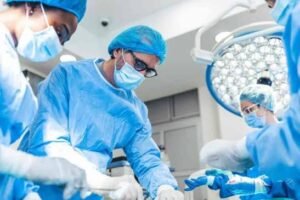
The demand for orthopedic surgeons continues to grow as the U.S. population ages and more individuals remain physically active later in life. Advances in medical technology, increasing life expectancy, and greater awareness of joint health have expanded access to specialized orthopedic care across hospitals, outpatient surgical centers, sports medicine clinics, and rehabilitation facilities. This growing demand has also driven continuous innovation in orthopedic surgery and patient care.
Whether you are experiencing chronic joint pain, recovering from a sports injury, or considering joint replacement surgery, consulting an experienced orthopedic surgeon can help you understand your treatment options and develop a personalized care plan. By choosing a qualified specialist, understanding insurance coverage, following rehabilitation recommendations, and maintaining a healthy lifestyle, patients can achieve improved mobility, reduced pain, and a better quality of life while benefiting from the latest advances in orthopedic medicine.